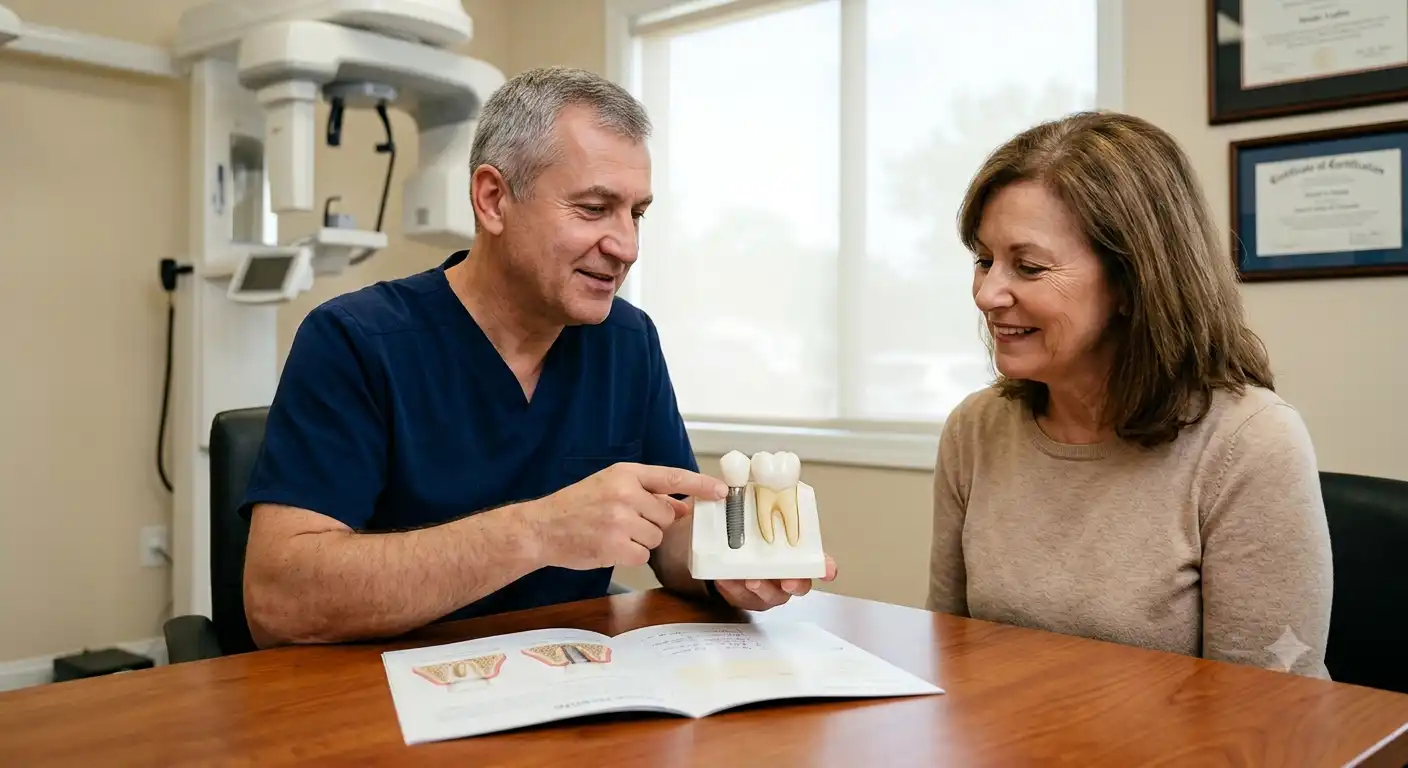


“Full mouth reconstruction” is a phrase that stops people mid-scroll. It sounds dramatic. Patients often arrive at their first consultation with one of two misconceptions: either that it’s an extreme procedure reserved for the most severe cases, or that it’s just a fancy term for a smile makeover. It’s neither.
Full mouth reconstruction is a structured, phased treatment plan that restores both the function and appearance of every tooth in the mouth. It’s precise, clinical work — but it’s also genuinely transformative for patients who need it.
Here’s what it actually involves.
Who Needs Full Mouth Reconstruction?
Full mouth reconstruction isn’t a cosmetic upgrade. It’s a clinical response to functional breakdown — where teeth have deteriorated to the point that simple fillings, crowns, or whitening aren’t enough.
Common reasons patients are referred or self-refer for full mouth reconstruction:
- Severe tooth decay affecting multiple teeth simultaneously
- Advanced gum disease that has caused tooth loss or bone loss
- Significant tooth wear caused by acid erosion, bruxism (teeth grinding), or years of untreated decay
- Trauma, such as accidents or injuries that have damaged multiple teeth
- Congenitally missing teeth or developmental conditions that left the bite compromised
- A combination of several of the above
The defining feature is that the problems are interconnected and need to be addressed together, in a planned sequence — not piecemeal.
What Does the Process Look Like?
There is no single template for full mouth reconstruction. The treatment plan is assembled from a range of restorative and cosmetic procedures, selected based on what each tooth in the mouth needs. A typical full mouth reconstruction plan for a Bright Smile Dental patient in Brooklyn might include:
1. Comprehensive assessment: Before any treatment begins, Dr. Vadim conducts a full clinical examination: dental X-rays, 3D imaging where needed, impressions, bite analysis, and a detailed review of the gums, bone, and jaw joint. This is where the treatment map is built.
2. Periodontal (gum) treatment, if needed: If there is active gum disease, it must be addressed first. Placing implants or crowns in an infected environment is not a stable foundation. Scaling, root planing, or gum surgery may be required before restorative work begins.
3. Extractions: Teeth that cannot be saved (whether due to decay, fracture, or severe bone loss) are removed at this stage to prepare for replacement.
4. Bone grafting (if required for implants): Where implants are planned, and bone volume is insufficient, grafting is performed to build the required density. This adds time to the timeline but is necessary for long-term implant success.
5. Implant placement: For patients replacing missing or extracted teeth, dental implants are placed. For patients missing most or all of their teeth, All-on-X full-arch implants may be the appropriate solution.
6. Restorations: Once implants have integrated and gum health is stable, the restorative work begins in earnest. This typically includes dental crowns, bridges, and, in some cases, porcelain veneers for front teeth, where aesthetics are a priority alongside function.
7. Bite calibration and occlusal adjustment: One of the most technically demanding aspects of full mouth reconstruction is ensuring the bite — the relationship between upper and lower teeth — is correct across all the new restorations. An incorrect bite causes premature wear, jaw pain, and restoration failure. This is calibrated carefully at each stage.
8. Final review and maintenance plan: Once all work is complete, a maintenance protocol is set: cleaning frequency, night guard if bruxism is a factor, and a schedule for monitoring long-term stability.
How Long Does Full Mouth Reconstruction Take?
Timelines vary enormously depending on case complexity. A relatively straightforward case involving crowns and a few implants might be completed in 3–6 months. Complex cases involving significant bone loss, multiple implants, and extensive periodontal treatment can take 12–18 months.
This is not a procedure where shortcuts serve the patient well. The sequencing matters. Rushing the healing stages compromises the outcome.
Is It Painful?
The honest answer: There is discomfort involved, but it is managed. Each individual stage — extractions, implant placement, gum treatment — has its own post-procedure recovery period, typically 2–5 days of soreness that is manageable with over-the-counter pain relief. Dr. Vadim discusses sedation options with patients who have dental anxiety, and the team takes the pace of treatment seriously.
What patients consistently report after completing full mouth reconstruction is not how difficult the process was — it’s how much they wish they’d done it sooner.
Is Full Mouth Reconstruction the Same as a Smile Makeover?
No, though the two overlap. A smile makeover is primarily cosmetic; it improves how the smile looks. Full mouth reconstruction addresses function first: bite, bone, and gum health, and structural integrity. The aesthetic outcome is a byproduct of getting the functional work right.
Some patients need both. When the restorative foundation is correct, cosmetic finishing touches like veneers or whitening can be added.
You can browse real full mouth reconstruction outcomes in our patient gallery, and see smile makeover results here.
Next Step
If you’ve been told you need “a lot of work” and haven’t known where to start, a full mouth reconstruction consultation at Bright Smile Dental is the right first move. Dr. Vadim will assess exactly what’s needed, sequence it clearly, and give you a complete picture of cost, timeline, and what to expect at each stage.