


Complete Dental Care
 Tadalista Dosage Guide: Finding Right Amount
Choosing the Right Strength: Factors to Consider
Start by picturing a conversation with your doctor: describe symptoms, timing, and expectations. This helps match potency to need rather than guesswork or marketing pressure, realistically while considering cost.
Consider severity of symptoms, frequency, overall health, and concurrent medications. Many start low and titrate up; daily routines and partner expectations influence the most suitable strength and safety considerations.
Decide whether on-demand or daily dosing fits your lifestyle. Timing around meals, alcohol, planned intimacy, and personal safety considerations affects effectiveness and guides milligram choice for your goals.
Factor in age and organ health: liver or kidney issues and cardiovascular history change safe dosing. Start conservatively, track responses, and schedule follow-up to refine your ideal strength regularly.
When and How to Take Medication Safely

Start by following your prescription precisely, taking the pill at the same time of day to build a reliable routine and store medication safely away from children.
When prescribed tadalafil brands like tadalista, swallow with water and avoid heavy, fatty meals that can slow absorption.
Never combine with nitrates or recreational drugs, and tell your clinician about heart medications, supplements, or herbal remedies.
If you miss a dose, follow medical guidance rather than doubling up; track doses, report side effects promptly, and schedule follow-up visits. Keep records for future visits.
Managing Side Effects Without Panic or Guesswork
When you first try tadalista, a mild headache, flushing or nasal congestion can feel alarming. Pause, breathe and consult the patient leaflet—most effects are short lived. Keep a simple diary noting timing, dose and severity so you see patterns instead of panicking. Over-the-counter remedies and resting often ease symptoms; persistent or worsening signs need a medical check.
Seek immediate help for chest pain, sudden vision changes or an erection lasting longer than four hours—these are rare but serious. Don’t guess on mixing substances; nitrates and some herbal supplements can be dangerous with tadalafil. If side effects limit daily life, contact your prescriber to adjust dosing or try alternatives, and bring your symptom diary to appointments.
Interactions with Alcohol, Food, and Other Drugs
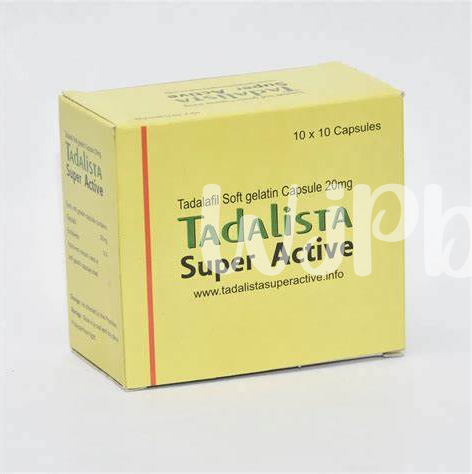
At a dinner when you reach for wine or consider an extra pill, small choices matter. Alcohol in moderation usually won't stop tadalista from working, but heavy drinking raises the risk of dizziness, low blood pressure and fainting. Large, fatty meals can delay how quickly you feel an effect, although overall absorption isn't drastically changed. To stay safe, time doses thoughtfully and avoid binge drinking around treatment windows.
Other medications matter: nitrates and recreational poppers can cause dangerous drops in blood pressure when combined with tadalafil, so never use them together. Alpha-blockers and potent CYP3A4 inhibitors (ketoconazole, some HIV protease inhibitors) may require dose adjustment or alternative therapy. Tell your clinician about all prescriptions, supplements and herbal remedies, and pause new substances until you check. Informed choices keep treatment effective and safe. Always ask your provider first for guidance today.
Adjustments for Age, Health, and Other Conditions
I once adjusted a patient's dose carefully, listening to concerns and reviewing heart and kidney history before suggesting changes.
Older adults often need lower starting doses and slower titration; younger, healthy people may tolerate standard tadalista doses but still require periodic monitoring.
Chronic illnesses, liver or renal impairment, and other drugs alter metabolism and effect duration; decisions should follow labs, symptoms, and specialist advice rather than trial and error.
Start low, observe response, adjust gradually, and document changes. Small checklists help.
| Factor | Tip |
|---|---|
| Age | Lower starting dose; monitor kidney function with regular monitoring |
| Condition | Adjust for liver disease; prefer lower doses and labs and specialist input consensus |
| Medications | Avoid nitrates; check interactions with alpha blockers |
When to Seek Medical Advice and Follow-up
If an erection lasts longer than four hours, seek emergency care; prompt treatment prevents lasting injury. Seek immediate help for chest pain, fainting, sudden vision or hearing loss, severe dizziness, or trouble breathing, which can signal dangerous cardiovascular complications.
Contact your prescriber if side effects persist beyond a few doses or worsen—headache, flushing, nasal congestion, or back pain. They can assess whether the dosage should be adjusted or a different formulation is safer.
Bring a brief health diary to clinic appointments noting timing, effectiveness, alcohol intake, other medications, and any adverse events. This helps clinicians evaluate interactions, underlying causes of erectile difficulty, and whether tests or specialist referral are necessary.
If you start new medications or have worsening heart disease, update your clinician promptly. Schedule a routine review after dose changes or every year to keep therapy safe and effective.