


Complete Dental Care
 Pregabalin Withdrawal and Dependence: What to Know — Withdrawal Symptoms, Tapering Guidance, Support Resources
How Pregabalin Works and Why Dependence Develops
The first dose felt like a curtain dropping on pain, offering swift calm. It binds to calcium channels on neurons, curbing excessive transmitter release, which dampens overactive circuits that cause neuropathic pain and seizures.
Repeated use leads the brain to adapt: receptors and signaling adjust, reducing drug effect so doses feel less potent. Physiological dependence arises as neural networks reorganize to expect the drug's dampening influence over time.
Beyond biochemistry, users report creeping psychological reliance: the comfort of symptom control and fear of return can drive continued use. Sleep, mood, and concentration changes reinforce patterns and complicate stopping even when harms appear.
Clinicians recognize this dual effect, relief and risk, and monitor duration and dose. When discontinuing, gradual tapering with support reduces severe withdrawal, and alternative therapies can effectively rebuild function while addressing underlying pain drivers.
| Mechanism | Tolerance |
|---|---|
| Calcium | Adaptation |
Recognizing Withdrawal Symptoms: Physical, Emotional, and Cognitive
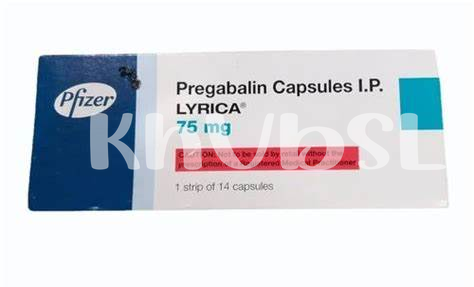
When someone stops pregabalin after long use, their body can react like waking from a heavy fog. Physical signs often arrive first: sweating, tremors, nausea, headache and intensified pain. These symptoms can appear suddenly, leaving people startled and physically drained.
Emotional reactions can be intense: anxiety, panic attacks, irritability, low mood and sudden tearfulness are common, often coupled with insomnia or vivid dreams. Cognitive effects—poor concentration, slowed thinking, short-term memory lapses and a persistent brain fog—make daily tasks harder. The pattern and severity vary significantly from person to person often.
Keep a symptom diary and tell your prescriber; stopping suddenly risks worse effects, so a supervised taper is safest. Ease symptoms with rest, hydration, regular meals, gentle movement, relaxation and sleep hygiene. If symptoms become severe or suicidal thoughts occur, contact your clinician or emergency services without delay for support.
Risk Factors That Increase Dependence and Severe Withdrawal
Imagine waking after months on pregabalin to a sudden spike of anxiety and physical tremors. Longer exposure and higher doses sensitize the nervous system, raising the chance of intense rebound symptoms. Abruptly stopping after sustained use is a common trigger, and people with prior substance use or untreated mood disorders are particularly vulnerable. Age, kidney problems that slow drug clearance, and mixing sedatives amplify physiologic dependence; genetic differences also play a role.
For someone juggling chronic pain, insomnia, and financial stress, the withdrawal path can be rougher. Using pregabalin without close monitoring, switching prescribers frequently, or combining it with alcohol or benzodiazepines raises complication risk. Fast tapers or stopping during acute life crises increase symptom severity. Social isolation, untreated sleep disorders, and lack of a taper plan leave people with fewer coping tools, making relapse or prolonged recovery more likely.
Safe Tapering Strategies Backed by Clinical Guidance

A patient described easing off pregabalin with a clinician who mapped a gradual, individualized reduction. Small weekly decreases minimized shocks, insomnia, and anxiety while preserving pain control and safety effectively.
Clinicians often suggest reductions of 10–25% every one to four weeks, tailored to response. Symptom-targeted meds, sleep hygiene, and close follow-up guide adjustments and reduce relapse risk informed by evidence.
Write a clear plan with emergency contacts, regular check-ins, and psychological therapies to address cravings and mood. Never stop abruptly; collaboration with prescribers and support networks improves outcomes and resilience.
Managing Symptoms: Medications, Therapies, and Self-care
When stopping pregabalin, symptom management is both practical and human: expect restless nights, anxiety, and physical discomfort, but remember you can respond. Combining targeted medications, therapy, and daily rituals helps reduce intensity and restore routine while minimizing relapse risk.
Medications such as short courses of benzodiazepines, sleep aids, or antidepressants are sometimes used under supervision; they address acute symptoms but require careful planning. Psychological therapies—CBT, mindfulness, and graded exposure—teach coping skills and reduce fear around sensations and cravings.
Everyday self-care matters: steady sleep, hydration, gentle exercise, and social contact stabilize mood. Track symptoms, keep medical appointments, and reach out early if problems escalate — gradual progress and support make recovery manageable. You are not alone, truly.
Finding Support: Professional Help, Groups, and Resources
When withdrawal hits, it can feel isolating, but contacting a clinician early changes the course. Primary care, pain or addiction specialists and psychiatrists can assess risk, recommend a taper, and prescribe symptom-relief medications. Counselors and psychologists teach coping and relapse prevention, and pharmacists check interactions. Bring a trusted friend to appointments to help communicate concerns.
Peer support—local groups, online forums, and mutual-aid meetings—provides practical tips and emotional validation. Search national helplines, community health centers, or public-health directories to find licensed providers. If you experience severe symptoms or suicidal thoughts, go to an emergency room or call crisis lines immediately. Combining professional care, peer connection, and self-care strengthens safety and recovery, and family involvement where possible.