


Complete Dental Care
 Stacking Modafinil: Smart Supplements That Complement Focus
Choosing Safe Stacks: Foundational Nootropics to Pair
When I first tried stacks I learned that simple choices matter: start with well-researched, low-risk compounds that complement wakefulness without adding strain to the body.
Pairing a gentle choline source, balanced caffeine and L-theanine, or a mild racetam can enhance cognition while keeping side effects minimal. Prioritize clarity over complexity.
Always check interactions, start low, track effects, and consult a clinician if uncertain; safety is the best cognitive enhancer.
| Compound | Benefit |
|---|---|
| Choline | Memory support and focus |
| L-theanine | Smooth alertness |
| Racetam | Working memory, learning, processing speed |
| Adaptogens | Stress resilience, steady energy |
Caffeine and L-theanine: Balanced Alertness Without Jitters
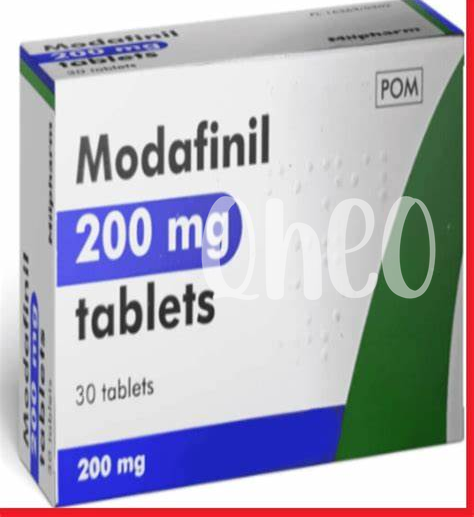
Pairing modest caffeine with calming L theanine smooths edges, transforming sharp modafinil driven wakefulness into refined focus. Many users report reduced jitters and clearer thought while staying productive and energized.
The blend works because L theanine promotes alpha brain waves and counteracts caffeine spikes. A common ratio is one part caffeine to two parts L theanine for steady cognitive enhancement.
Start with low doses, test sensitivity, and avoid late afternoon intake to protect sleep. Discuss combinations with a clinician when using modafinil, especially if you have anxiety or cardiovascular concerns.
Racetams and Choline: Memory Support with Modafinil
Pairing nootropic companions with modafinil can feel like assembling a precision toolkit: subtle racetam derivatives may sharpen encoding and attention, while a bioavailable choline source helps prevent headaches and supports acetylcholine-dependent memory processes. Think of it as lubrication for cognitive circuits under higher demand.
Clinically informed dosing and timing matter: moderate racetam doses with a choline bitartrate, citicoline, or alpha-GPC can complement modafinil’s wakefulness without overexciting neurotransmitter systems. Start low, monitor cognition and mood, prioritize hydration and breaks — small tweaks preserve gains and reduce side effects in long sessions.
Adaptogens and Vitamins: Steady Energy and Stress Resilience
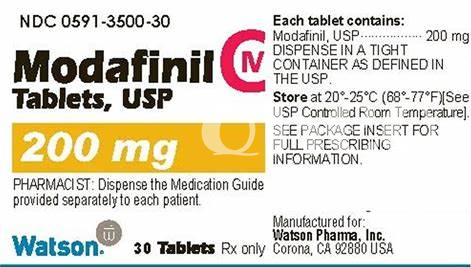
When pairing modafinil with adaptogens, think of a slow-burning partner that smooths peaks and troughs. Rhodiola or ashwagandha can soften stress responses while preserving wakefulness and clarity throughout the day.
Vitamins like B complex and vitamin D support neurotransmitter synthesis and energy metabolism; magnesium helps muscle relaxation and sleep quality, offsetting stimulant-driven tension for steadier performance and improved resilience daily.
Begin low, monitor mood and sleep, prioritize hydration and nutrition, cycle adaptogens, test vitamin blood levels regularly, and consult a clinician to reduce risks while enhancing modafinil’s complementary effects safely.
Protecting Sleep and Recovery during Stimulant Use
After a long sprint fueled by modafinil, I learned that vigilance must be balanced with deliberate rest. The body remembers late nights even when cognition feels intact.
Schedule dosing early, dim evening lights, and create a wind-down ritual that signals sleep. Short, planned naps can salvage performance without derailing nighttime recovery.
| Strategy | Tip |
|---|---|
| Dose timing | Prefer morning |
| Light exposure | Limit blue light at night |
| Napping | 20–30 minutes early afternoon |
If sleep is disrupted, consider short melatonin courses, consistent wake times, and lower evening stimulation. Track sleep with a simple log and consult a clinician if insomnia persists; safe, minimal stacks preserve gains without sacrificing recovery. Sleep is the unseen productivity engine; prioritize it every day.
Safety, Dosing, and Interactions: Practical Stacking Guidelines
Begin modestly: test a single supplement with modafinil, document responses, and allow several days to judge real effects safely before increasing doses.
Respect dosing ranges: keep modafinil near prescribed levels, limit stimulants, and avoid excessive choline without clear cognitive benefit evidence to prevent harm.
Consider interactions: check medications, especially anticoagulants and antidepressants, and consult a clinician if polypharmacy or cardiovascular history exists to assess safety and alternatives.
Prioritize sleep hygiene and scheduled breaks; employ micronutrients, hydration, and stress management to sustain benefits without compromising long term health and recovery practices.