


Complete Dental Care
 Mobic Side Effects: What Patients Should Watch for
Recognizing Common Side Effects and Mild Symptoms
When you begin Mobic, small nuisances may surface—stomach upset, mild headache, or slight dizziness. Tracking timing helps link symptoms to doses.
Keep a daily log: note intensity, duration, and any triggers. Mild nausea, indigestion, gas, or loose stools are common and often resolve.
Also watch for fluid retention or increased blood pressure. Lightheadedness when standing up can indicate low tolerance and merits mention to your clinician.
| Symptom | Action |
|---|---|
| Nausea | Stay hydrated, eat bland food |
| Headache | Rest, avoid driving, report any persistent pain |
| Dizziness | Sit slowly, hydrate, call provider if fainting |
Red Flags: Gastrointestinal Bleeding and Abdominal Pain

When Maria began taking mobic for knee pain, a dull ache shifted to sharp, persistent abdominal pain that wouldn’t subside. She noticed dark, tarry stools and felt lightheaded, signals something might be seriously wrong.
These symptoms—severe belly pain, vomit that looks like coffee grounds, black or bloody stool, fainting or unexplained dizziness—can indicate internal bleeding and need prompt attention.
Stop the medication and seek emergency care. Tell clinicians about NSAID use, ulcers, or blood thinners; older adults and people with stomach problems are at higher risk and may need evaluation.
Cardiovascular Risks: Heart Attack and Stroke Warning
After starting mobic, Maria noticed new chest tightness and breathlessness during a short walk within a few days.
NSAIDs can slightly raise the risk of heart attack and stroke, especially in people with existing heart disease or high blood pressure, and risks rise further with higher doses.
Warning signs include chest pain or pressure, sudden weakness or numbness on one side, slurred speech, severe headache, and unexplained shortness of breath.
If these occur, stop the drug and seek emergency care; discuss alternative pain control and cardiovascular monitoring with your clinician.
Kidney and Liver Issues: Tests to Monitor
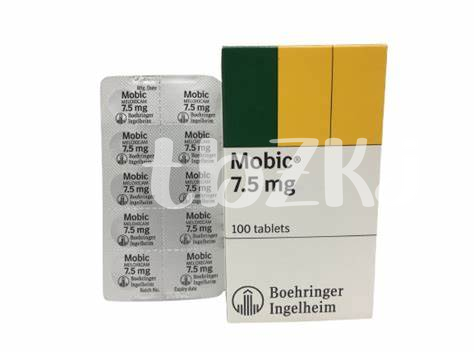
Taking mobic brought relief, but after a few weeks I noticed fatigue and darker urine, small alarms worth checking. Routine bloodwork can catch early problems: creatinine, BUN and estimated GFR assess kidney function, while electrolytes detect imbalances. Keep a symptom diary to share with your clinician and test dates.
Liver trouble is often silent; ask for ALT, AST, alkaline phosphatase and bilirubin to screen for hepatotoxicity. Baseline tests before starting treatment and repeat checks after a month or with new symptoms provide a safety net. Patients with diabetes, heart disease, or dehydration face higher risk and may need more frequent monitoring.
If results worsen, your clinician may adjust dose or stop the drug and order urine analysis, coagulation tests or imaging. Prompt reporting of swelling, decreased urine output, jaundice, abdominal pain or unexplained bruising speeds diagnosis and protects long-term health.
Allergic Reactions: Rash, Swelling, Breathing Difficulty Alerts
A sudden itchy rash or swelling can start unexpectedly after taking mobic, turning a routine dose into a worrying moment. Treat symptoms seriously and stop the drug if they appear.
Hives, facial puffiness or throat tightness need immediate evaluation; emergency care may be required if breathing is affected. Keep a record of onset time and any other medicines you used.
Discuss prior reactions with your clinician before restarting or switching NSAIDs. Carry identification about your allergy, and know when to seek urgent help to prevent a severe, potentially life‑threatening response.
| Sign | Action |
|---|---|
| Rash/Itching | Discontinue, monitor |
| Swelling/Face | Seek urgent care |
| Breathing difficulty | Call emergency services |
Watch for Drug Interactions with Prescriptions and Supplements
Imagine your medicine cabinet like a crowded party: meloxicam can clash with blood thinners (warfarin), SSRIs, and supplements such as fish oil, ginkgo, or garlic, raising bleeding risk. It may also boost lithium or methotrexate levels and blunt antihypertensive effects of ACE inhibitors or diuretics, increasing kidney strain.
Always tell clinicians about every prescription, OTC pain reliever, and herbal supplement. Ask your pharmacist before adding new products, avoid combining NSAIDs, and request monitoring when taking anticoagulants, ACE inhibitors, diuretics, lithium or methotrexate to catch interactions early. Also report unusual bleeding.