


Complete Dental Care
 Managing Muscle Pain While Taking Lipitor
Spotting Serious Symptoms Versus Routine Muscle Soreness
When my legs felt unusually heavy after starting a statin, I worried. Mild stiffness or soreness after new or intensified exercise is common, especially during the first weeks; it usually eases with rest and over the counter pain relief.
Red flags include severe, unexplained muscle pain, marked weakness, dark or cola colored urine, fever, or difficulty breathing. These symptoms require immediate medical attention and blood tests such as creatine kinase to evaluate muscle damage.
Track onset, duration, activity triggers, and response to rest or medication in a simple diary. Sharing clear details helps your clinician distinguish ordinary post workout discomfort from a more serious reaction, guiding safer treatment choices.
| Routine | Urgent |
|---|---|
| Mild | Severe |
| Rest | Seek care |
How to Ask Your Doctor the Right Questions
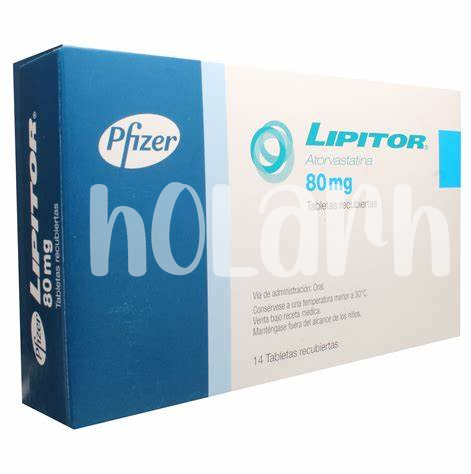
When muscle aches started, I tracked onset, severity, and activities; these details help your clinician link symptoms to lipitor or other possible causes.
Ask concise questions: should we check creatine kinase levels, adjust dose, or pause treatment? Mention timing and any new medications or supplements too.
Bring a symptom log, list of drugs and supplements, and be honest about exercise — specifics speed diagnosis and safer decisions for follow-up.
If symptoms worsen rapidly, seek immediate care; otherwise schedule follow-up and consider shared decision-making about switching statins or nonstatin options with provider.
Practical At-home Remedies to Soothe Aching Muscles
After a long walk my legs felt tight, so I used gentle stretching, alternating heat and cold packs, and a light massage to ease the ache. Staying well hydrated and using topical analgesics helped, while avoiding strenuous exercise gave muscles time to recover.
If you take lipitor, talk to your clinician before adding NSAIDs or supplements; acetaminophen is safer for relief. Report persistent weakness, swelling, or dark urine immediately. When pain is mild, low-impact activities like walking or swimming speed recovery, but any new or worsening symptoms deserve medical review.
Medication Adjustments Versus Alternatives: Weighing the Options
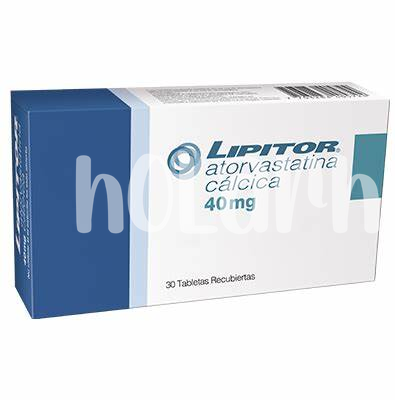
When I first noticed tightness in my calves after starting Lipitor, I wanted both relief and reassurance. Talk openly with your clinician about symptom timing, severity, and impact on daily life. Clear, accurate documentation helps them decide whether dose reduction, temporary discontinuation, or continued monitoring is safest.
Sometimes a lower dose or switching to a different statin with less muscle association solves the problem; other times clinicians consider ezetimibe, PCSK9 inhibitors, or lifestyle-first strategies. Discuss benefits, side effects, insurance coverage, and cardiovascular risk profiles before making changes. Ask about monitoring plans and re-challenge.
Your preference matters: balance stroke and heart attack risk reduction against persistent myalgia that limits work or exercise. A stepwise plan — informed consent, blood tests like CK, trials of alternate agents, and scheduled follow-up — ensures choices protect heart health, preserve activity, and maintain daily function.
Diet, Supplements, and Interactions You Need to Know
When taking lipitor, prioritize anti-inflammatory foods and adequate protein to support repair. Choose oily fish, leafy greens, and berries for omega-3s and antioxidants. Hydration, regular meals, and limiting alcohol help metabolism and minimize muscle stress. Small changes often reduce discomfort and improve recovery.
Discuss supplements like coenzyme Q10 and vitamin D with your clinician; some can ease aches, while others interact with statins.
| Item | Effect |
|---|---|
| Grapefruit | Increases statin levels |
| CoQ10 | May reduce muscle pain |
Keep a log of foods, symptoms and doses; share it at follow-ups. Avoid high-dose red yeast rice unless advised, it contains lovastatin-like compounds. Thoughtful monitoring balances benefits of lipitor with safe nutrition and targeted support to preserve muscle health. Ask about blood tests if pain worsens.
Smart Exercise Tweaks to Stay Active with Pain
I learned to respect my limits without giving up movement; gentle low-impact activities like walking, swimming, or cycling keep circulation flowing and reduce stiffness.
Prioritize shorter, more frequent sessions and include dynamic warm-ups to prepare muscles. Progress intensity slowly, tracking pain that lingers more than 48 hours.
Include strength training twice weekly with lighter weights and higher repetitions to maintain muscle mass without overload. Focus on form, use machines or resistance bands, and allow extra recovery.
Mix in flexibility work and mindful practices such as yoga or tai chi to improve balance and reduce perceived pain. Always communicate changes with your clinician to align activity with your treatment plan, and adjust as needed for safety.