


Complete Dental Care
 Lasix and Electrolytes: Preventing Imbalances Safely
How Lasix Works and Affects Electrolyte Balance
A common loop diuretic accelerates kidney filtration, blocking sodium and chloride reabsorption in the thick ascending limb of Henle. That natriuresis pulls water and drags potassium, magnesium and calcium losses, so patients often notice changes in energy, muscle cramps or irregular heartbeat. The mechanism is swift and powerful, useful for fluid overload but demanding careful follow-up.
Understanding this lets clinicians anticipate laboratory shifts and tailor dose, diuretic timing or supplementation to prevent dangerous hyponatremia or hypokalemia. Communication about symptoms, periodic blood tests and modest dietary adjustments usually prevent complications while preserving therapeutic benefit. Regular electrolyte review allows early potassium or magnesium replacement, reducing hospitalizations and avoiding abrupt cessation of therapy and improving long-term cardiovascular outcomes.
| Ion | Common Effect |
|---|---|
| Potassium (K+) | Hypokalemia — muscle weakness, arrhythmia risk |
Common Electrolyte Disturbances Linked to Diuretic Use
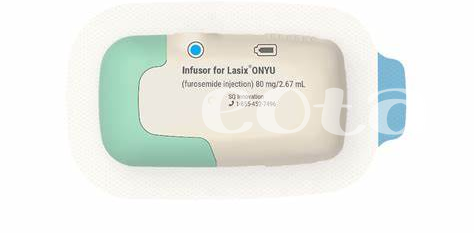
When patients start lasix, the body often sheds more than water—potassium and magnesium commonly fall, and sodium can drop too, sometimes quietly.
Low potassium causes weakness, cramps and can trigger dangerous heart rhythm disturbances; clinicians watch for symptoms and lab changes closely in time.
Hyponatremia from diuretics may cause nausea, confusion or seizures; mild cases are subtle yet clinically important to catch and may prolong hospital stays.
Regular electrolyte monitoring allows dose adjustment or addition of potassium and magnesium supplements to prevent complications and protect the heart in vulnerable patients.
Who’s at Higher Risk: Patient Factors Explained
Some people tolerate loop diuretics well, while others tip quickly into imbalance; recognizing fragile patients prevents surprises.
Older adults, low body mass, or chronic kidney disease reduce reserve and raise risk of sodium and potassium losses on lasix.
Concurrent drugs (ACE inhibitors, NSAIDs, steroids), heart failure or cirrhosis amplify shifts, as do diabetes and frequent vomiting or diarrhea.
Poor nutrition, low magnesium, and inconsistent dosing worsen problems; proactive monitoring and early adjustment keep patients safer. Clinicians should individualize plans and educate patients about warning signs and arrange timely lab checks.
Practical Monitoring: Tests, Frequency, and Target Ranges
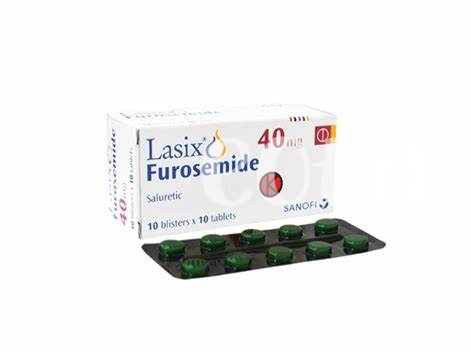
When someone starts lasix, clinicians usually obtain baseline labs — serum sodium, potassium, magnesium, bicarbonate, creatinine and BUN — plus weight and blood pressure to compare later. These initial values guide safe dosing and reveal preexisting risks.
Early follow-up labs are commonly done within 3–7 days, then at 1–2 weeks after dose changes, and periodically thereafter (monthly then every 3–6 months) for stable patients. High‑risk individuals need more frequent checks. Target ranges: K+ 3.5–5.0 mmol/L, Na+ 135–145 mmol/L, Mg2+ ~0.7–1.1 mmol/L; creatinine should remain near baseline or not rise more than about 30%.
Action thresholds matter: potassium below 3.5 or above 5.0 prompts supplementation, dose reduction or addition of a potassium‑sparing agent; significant creatinine rise triggers reassessment of volume status and possible temporary discontinuation. Document trends rather than isolated values.
Daily weights and reporting of dizziness, muscle weakness or palpitations save lives.
Nutrition and Supplements to Prevent Sodium Potassium Imbalance
A balanced diet helps maintain sodium and potassium while taking diuretics. Focus on whole foods, lean proteins, fruits, and vegetables. Small, consistent dietary changes can reduce risk and support steady electrolyte levels during lasix therapy.
Target potassium-rich foods and moderate sodium intake; always discuss supplements with your clinician.
| Food | Potassium mg |
|---|---|
| Banana | 420 mg |
| Spinach | 540 mg |
| Yogurt | 240 mg |
| Avocado | 485 mg |
| Sweet potato | 475 mg |
| Orange | 237 mg |
Magnesium and calcium influence cardiac and neuromuscular stability; discuss supplementation if labs show deficiency. Avoid high-dose potassium without guidance. OTC supplements can help but require periodic lab checks to prevent dangerous shifts and complications too.
Regular monitoring, written action plans, and clear symptoms to watch reduce risk. If dizziness, cramps, palpitations, or fainting occur seek urgent care. Dose adjustments, timed labs, and communication with your team keep therapy safe always.
Managing Imbalances: Dose Adjustment and Emergency Steps
When patients develop signs of sodium or potassium imbalance, clinicians often begin by reassessing the diuretic regimen. Small dose reductions or altering dosing frequency can restore balance while preserving fluid control. Switching from a loop diuretic to alternative agents or adding a potassium‑sparing diuretic are tailored options based on labs and goals.
Immediate measures depend on severity: mild hyponatremia calls for fluid restriction and monitoring, whereas severe hyponatremia may require controlled hypertonic saline in hospital. Hypokalemia is managed with oral or intravenous potassium repletion guided by ECG and serum levels; hyperkalemia needs prompt stabilization with calcium, insulin‑glucose, and potassium binders when indicated.
Educating patients about symptoms—weakness, palpitations, confusion—and arranging rapid access to care prevents deterioration. Follow-up labs after adjustments, clear action plans, and communication across the care team make management safe and effective and reduce hospital readmissions over time overall.