


Complete Dental Care
 Furosemide Vs Other Diuretics — Choosing the Right Option
How Loop Diuretics Deliver Rapid Fluid Relief
When breath shortens and ankles swell, loops act like a fast-acting relief team, mobilizing fluid quickly from tissues to urine.
They block the sodium-potassium-chloride cotransporter in the thick ascending limb, preventing salt reabsorption and producing brisk natriuresis.
Onset is minutes with intravenous dosing and an hour orally, making loops ideal for acute pulmonary edema and rapid decongestion.
Their potency demands close monitoring of electrolytes and volume; expect risks like low potassium, dehydration and, rarely, ototoxicity at high doses. Dose is tailored to response and renal function. Adjustments require clinical judgment.
Thiazide Options Provide Steady Long Term Control
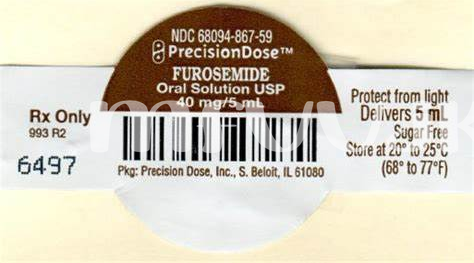
Long term hypertension management often benefits from thiazide type agents, which work steadily to reduce blood volume and vascular resistance. Patients frequently notice gradual improvement rather than abrupt shifts, which supports adherence and fewer emergency visits.
Unlike loop diuretics such as furosemide that produce rapid diuresis, thiazides act more mildly but persistently, making them suitable for chronic control. They are useful as first line companions to lifestyle change and can reduce stroke and heart attack risk when blood pressure is controlled. Doses are usually low and titrated slowly to preserve electrolytes, avoid dehydration and minimize dizziness in older adults over time.
Clinicians tailor selection by monitoring electrolytes, renal function, and glucose, adjusting dose to balance efficacy and side effects such as low potassium or metabolic changes. The goal is steady, sustainable blood pressure reduction with minimal disruption to daily life.
Potassium Sparing Drugs Preserve Electrolytes and Strength
When a patient worries about low potassium after aggressive diuresis, clinicians often contrast loop agents like furosemide with alternatives that spare potassium. These medications act later in the nephron and blunt sodium loss while limiting potassium secretion, reducing hypokalemia risk.
For an athlete or older adult, preserving muscle function matters. Potassium‑sparing drugs help maintain serum potassium and support neuromuscular strength, though their diuretic effect is milder, so they may be combined with thiazides or used when potassium supplementation is problematic.
Monitoring requires baseline and periodic electrolyte checks and awareness of hyperkalemia risk in renal impairment or with ACE inhibitors. Tailoring therapy balances efficacy, safety, and patient goals to protect both volume status and cellular function.
Side Effect Profiles: Weighing Risks and Tradeoffs
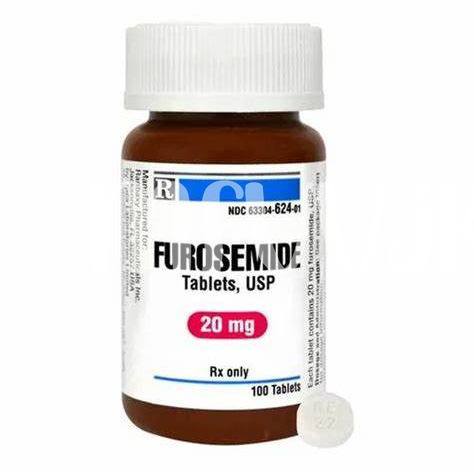
Patients often describe diuretics as lifesaving yet demanding companions; the right choice eases fluid overload but can introduce metabolic or renal strain. Individual response varies with age, comorbidities and concurrent drugs.
Loop agents such as furosemide act fast and risk dehydration, low sodium and potassium, and hearing changes at high doses, while thiazides more slowly lower blood pressure but can raise blood sugar and uric acid. Tinnitus suggests ototoxicity, especially with high loop doses or rapid intravenous administration.
Potassium sparing drugs protect electrolytes and muscle strength but may increase potassium dangerously in kidney disease or when combined with ACE inhibitors; clinicians weigh these risks against benefits and monitor labs and volume status regularly. Shared decision making and clear instructions about signs of imbalance help patients report problems early and avoid hospitalizations. Dose adjustments and education often cut complication rates significantly.
Match Medication Choice to Comorbid Conditions
Imagine a clinician balancing a patient’s breathless urgency and chronic conditions; choices hinge on comorbidities. In acute heart failure or advanced renal impairment, loop agents such as furosemide rapidly mobilize fluid and relieve congestion, while thiazides suit milder hypertension and offer modest benefits for bone density. Diuretics must be weighed against diabetes, gout and electrolyte vulnerability.
When diabetes or gout is present, select agents that minimize metabolic disruptions; thiazides can worsen glucose and uric acid, whereas loops have less metabolic impact but need careful potassium management. Aldosterone antagonists or amiloride preserve potassium when concomitant RAAS blockade is used, yet they demand monitoring for hyperkalemia. Tailoring therapy means matching mechanism to comorbidity and planning lab surveillance, dose adjustments and patient coaching to maximize benefit and reduce harm. Shared decision making and clear follow-up schedules improve adherence and safety across primary care.
| Comorbidity | Preferred Diuretic |
|---|---|
| Heart failure / CKD | Loop (eg, furosemide) |
| Hypertension / osteoporosis | Thiazide |
| Hypokalemia risk | Potassium-sparing |
Practical Dosing, Monitoring Tips for Safer Use
Start low and titrate slowly, seeing each dose as a step toward balance. For furosemide, starting doses vary by indication — 20–40 mg orally, repeat if needed — while thiazides use smaller daily amounts; potassium-sparing agents supplement rather than replace. Adjust for age, kidney function and interacting drugs to avoid abrupt shifts.
Monitor weight, blood pressure and electrolytes regularly; twice-weekly weight checks, baseline and periodic serum sodium, potassium and creatinine are practical safeguards. Watch for dizziness, excessive urination or muscle cramps and act promptly.
Educate patients about timing doses (morning to limit nocturia), hydration, and when to seek care. Keep a chart for doses and labs — it reduces errors and empowers safer long-term use.