


Complete Dental Care
 Fertigyn Hp Ingredients: Science Behind Each Component
Key Active Compounds and Their Targeted Roles
A concise tour through each active ingredient reveals how targeted molecules influence fertility pathways. Vivid descriptions connect compound identity with purpose, making mechanisms tangible rather than abstract clearly.
Specific actives such as antioxidants, adaptogens, amino acid precursors and botanicals each aim at receptors, enzymes or signaling cascades. Their roles include oxidative protection, endocrine modulation and gamete support functions.
| Compound | Target | Primary Action |
|---|---|---|
| Myo inositol | Ovarian signaling | Insulin sensitizer |
| Coenzyme Q10 | Mitochondria | Antioxidant energy |
| Vitamin D | Hormone regulation | Endocrine support |
| L arginine | Nitric oxide | Blood flow |
| Zinc | Sperm | protection |
Understanding each compound’s precise target allows clinicians and users to predict outcomes, personalize regimens, and monitor responses. Clear mapping from molecule to mechanism improves evidence informed supplementation.
How Herbal Extracts Modulate Hormonal Balance
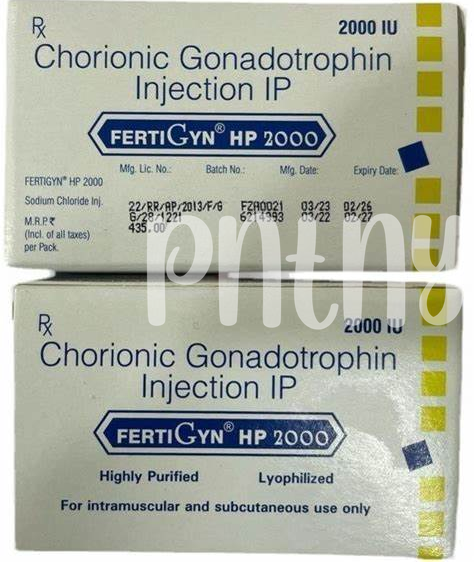
Imagine the body as an orchestra where herbs are skilled conductors, subtly tuning endocrine rhythms rather than blasting loud notes. Extracts like vitex, maca, and ashwagandha act through different pathways — binding to pituitary receptors, supporting adrenal resilience, or modulating estrogen metabolism — producing measurable shifts in luteinizing hormone, cortisol, and estradiol patterns. In formulations such as fertigyn hp, standardized extracts provide reproducible phytochemical profiles that help predict hormonal responses.
Clinical studies reveal modest but consistent endocrine effects when these botanicals are used at validated doses, often requiring weeks to months for full benefit. Mechanistic research highlights enzyme inhibition, receptor modulation, and adaptogenic support as key modes of action; together they create dose-dependent, context-specific outcomes that interact with nutrition, stress, and medications. Awareness of these dynamics enables clinicians and consumers to choose evidence-based products and monitor responses safely and adjust expectations accordingly.
Scientific Evidence Behind Each Main Ingredient
Readers are guided through peer-reviewed studies evaluating vitamins, minerals and botanicals commonly included in fertility blends. Trials vary in design and quality, yet meta-analyses highlight consistent biological plausibility behind nutrients like folate, zinc and antioxidants.
Herbal constituents such as maca, vitex and ashwagandha have small clinical trials suggesting modulation of reproductive hormones and stress pathways. These findings are preliminary and need larger randomized studies for robust confirmation in diverse populations.
Amino acids like L-arginine and antioxidants such as vitamin E and selenium show measurable effects on sperm motility and oxidative stress markers. Product formulations like fertigyn hp combine these elements to target multiple pathways simultaneously.
Despite promising signals, heterogeneity in dosing, extract standardization and study endpoints limits definitive conclusions. Researchers call for standardized formulations, dose-ranging trials and mechanistic biomarkers so clinicians and consumers can make evidence-based decisions about supplementation safely.
Synergy between Ingredients Mechanisms and Interactions
A careful blend of herbs and micronutrients creates layers of action: adaptogens ease stress-related hormone spikes while antioxidants protect gametes, setting a cooperative stage for enhanced reproductive resilience in users.
Some elements boost bioavailability of others; for example chromium and vitamin B complexes can improve metabolic signaling, enabling botanicals to exert fuller endocrine modulation and more consistent ovulatory support function.
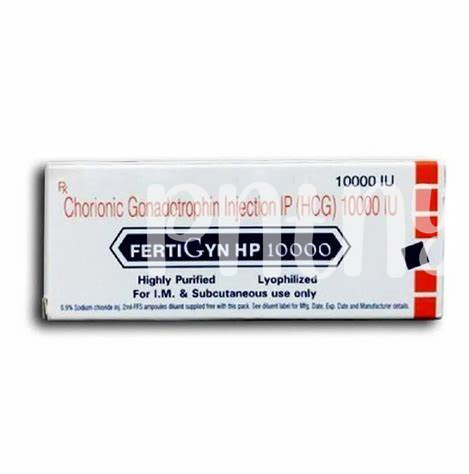
Clinical insights suggest combined dosing often lowers amounts needed per compound, reducing side effects while preserving effect. Users of fertigyn hp frequently report stronger fertility markers and better tolerability overall.
Dosage Rationale Safety Profiles and Potential Side Effects
Patients using fertigyn hp should approach dosing thoughtfully, starting low and adjusting based on response and lab results. Clinical rationale favors doses that match those studied in trials and avoid supra-physiologic loads that increase adverse events. A pragmatic plan includes baseline hormone and nutrient testing, scheduled reassessment, and clear stopping criteria if side effects emerge. This measured pacing preserves benefit while limiting unexpected harms, with clinician oversight always recommended appropriately.
Commonly reported reactions are mild gastrointestinal upset, transient headaches, and slight hormonal fluctuations; rarer signals include elevated liver enzymes or allergic responses. Herbal components can interact with anticoagulants, thyroid drugs, and hormonal therapies, so medication review is essential. Pregnancy and breastfeeding are contraindications until safety is established. Prompt reporting of severe symptoms and periodic monitoring let clinicians balance benefit and risk and tailor regimens, and track clinical outcomes regularly appropriately.
Translating Research into Practical Supplement Use Guidelines
Start by aligning study dosages with real-world use: match effective amounts shown in trials, adjust for product concentration, and prefer standardized extracts to ensure consistent potency. Verify third-party testing and clear labeling to reduce variability.
Adopt timing and combination strategies from research—take fat-soluble components with meals, separate conflicting minerals, and stagger botanicals that affect hormones to avoid peak overlap.
Prioritize safety: screen for contraindications, monitor biomarkers where possible, start low and titrate slowly, and stop if adverse effects emerge regularly over time.
Communicate realistic expectations—supplements support physiology but rarely cure; pair with lifestyle measures and consult clinicians for personalized plans and long-term follow-up. Document responses and adjust regimen based on objective outcomes and patient goals.