


Complete Dental Care
 Low-dose Elavil: Uses Beyond Depression
Surprising Pain Relief for Chronic Neuropathic Conditions
I first met a neighbor who had been living with burning, electric jolts along her feet for years; after starting a small nightly dose, she described the sensation as "muffled" and sleep returned. Clinically, low-dose tricyclic therapy is thought to dampen aberrant nerve signaling by enhancing serotonin and norepinephrine tone and blocking sodium channels.
Trials and case series show consistent reductions in pain scores for diabetic neuropathy, postherpetic neuralgia and chemotherapy-induced nerve pain, often at doses far below those used for mood disorders. Benefits can appear within weeks, which helps adherence when side effects are mild.
Prescribers emphasize slow titration, bedtime dosing to leverage sedative effects, and monitoring for anticholinergic effects and cardiac risk factors. For many patients who have exhausted options, this low-dose strategy offers meaningful relief and restored daily function. Clinicians should individualize treatment and review concomitant medications.
Quieting Restless Legs and Improving Sleep Quality
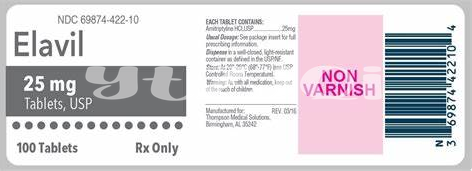
He used to dread the late hours when restless sensations jolted him awake; nights felt endless until his clinician suggested a low-dose tricyclic. Starting elavil at bedtime softened the urges and shortened awakenings, turning frantic tossing into restorative intervals.
Clinical reports and trials suggest low-dose tricyclics modulate neurotransmitters involved in sensorimotor hyperactivity, diminishing limb discomfort and improving sleep continuity. Benefits often appear within weeks at doses far lower than used for mood disorders, reducing side-effect burden.
Yet clinicians emphasize individualized titration, checking for drug interactions, urinary retention, and daytime sedation; older adults need lower starting doses. When monitored, low-dose therapy can restore nights, but periodic review ensures efficacy, tolerance, safety, and adherence over time regularly.
Effective Prevention Strategies for Migraine and Headaches
After months of relentless attacks, she found relief when her clinician tried low-dose elavil; the change reduced frequency and intensity, giving a bridge to fewer acute meds and brighter days.
At low doses, antihistaminic and serotonergic effects modulate pain pathways; clinicians often start at bedtime, slowly titrating while watching for dry mouth, weight changes, or daytime drowsiness and blood pressure.
Combined with trigger tracking, hydration, sleep regularity, and biofeedback, elavil can become part of a personalized prevention plan; regular follow-up ensures benefit, tolerability, and timely adjustments for many patients today.
Soothing Chronic Tension and Fibromyalgia Related Discomfort

After years of waking with a tight scalp and aching shoulders, many people describe a small, unexpected relief when their clinician suggests a low-dose tricyclic. The first nights can feel like someone turned down the volume on pain: stiff bands loosen, sleep begins to return, and the fog of constant tension eases just enough to make daily tasks manageable.
Studies and practical experience show that low-dose amitriptyline (often prescribed as elavil) modulates pain pathways and improves sleep, which together reduce central sensitization common in fibromyalgia and chronic tension syndromes. Typical starting doses are modest and titrated slowly; clinicians balance benefit against anticholinergic effects and daytime sedation, tailoring therapy to each patient's individual priorities and comorbidities.
Nighttime Dosing to Curb Insomnia and Anxiety
At the end of a long day many patients describe elavil as a gentle bridge to sleep, quieting racing thoughts so sleep can begin. Low nighttime doses often offer calming antihistaminic and noradrenergic effects that reduce sleep latency and night-time awakenings, while also alleviating mild evening anxiety; clinicians generally start low and monitor response. Dose Common effect 10–25 mg sedation anxiolysis
Night dosing can be particularly helpful for people with comorbid insomnia and anticipatory worry, improving sleep continuity and daytime functioning. Potential drawbacks—morning grogginess, dry mouth, dizziness, or interactions with other medications—underscore the importance of individualized regimens and regular follow up with prescribing clinicians. Patients should discuss dosing timing and alternatives with their clinician carefully.
Balancing Benefits and Risks with Practical Prescribing Tips
When considering low-dose amitriptyline, start low and go slow: typical analgesic regimens begin at 10–25 mg nightly, titrating to effect while watching for anticholinergic or cardiac symptoms. Baseline ECG is prudent in older adults or anyone with cardiac history; review current medications for interactions (MAOIs, SSRIs, antihypertensives).
Discuss expectations and side effects with patients—dry mouth, constipation, blurred vision, sedation—and advise against heavy machinery until tolerability is established. Encourage bedtime dosing to harness sedative benefits for comorbid insomnia and to reduce daytime impairment.
Regular follow-up lets clinicians assess efficacy, adjust dose (commonly 10–50 mg for off-label uses), and plan gradual tapering to avoid withdrawal. When used thoughtfully with monitoring and patient education, low-dose amitriptyline can offer meaningful symptom relief with manageable risks. Document baseline symptoms and consider consultation with cardiology or psychiatry when complex comorbidities exist, and educate about overdose risks.