


Complete Dental Care
 Cleocin for Acne: Benefits and Risks Explained
How Cleocin Works Against Acne Bacteria
Anecdotally and clinically, patients notice clearer skin when this antibiotic reduces bacterial load in follicles. It slips into oil-rich pores, reaching colonies where inflammation begins and quietly changes the environment.
At a molecular level it blocks bacterial protein production by binding the ribosome, stalling growth and decreasing toxin release, which lowers local redness and swelling over weeks and often significantly reduces pustule and nodule formation.
Consult a provider for optimal duration and combination therapy to preserve effectiveness and limit emerging resistance development.
| Action | Effect |
|---|---|
| Protein synthesis | Inhibition |
| Bacteria | Growth reduced |
Benefits of Cleocin Compared with Other Treatments
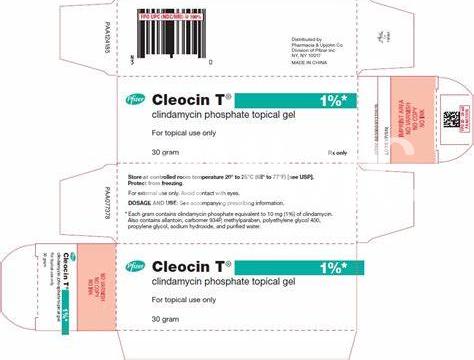
Many patients find cleocin offers faster visible clearing than topical benzoyl peroxide or salicylic acid, especially for inflamed papules and pustules. As an oral lincomycin-class antibiotic, it penetrates deeper into sebaceous follicles, reducing bacterial load and inflammation where creams can't reach. That deeper action can shorten flare duration and improve confidence quickly.
Compared with isotretinoin and hormonal therapies, cleocin carries fewer long-term systemic effects when used short-term, making it a practical bridge therapy. It pairs well with topical retinoids, and its dosing flexibility allows tailored regimens. Still, risks like gastrointestinal upset and resistance mean it’s best used under medical guidance and for clearly defined durations. Discuss benefits and limits openly with your clinician before starting.
Proper Usage, Dosage, and Application Tips
Starting treatment can feel hopeful and cautious; discuss history and allergies with your clinician so cleocin is appropriate. For acne, providers choose topical clindamycin or oral regimens; they tailor duration to severity and response. Always disclose pregnancy, other medications, and prior antibiotic use before starting.
For topical cleocin, apply a thin film to clean, dry skin once or twice daily as instructed; avoid contact with eyes and broken skin. Oral dosing varies; follow prescription, complete full course as directed, and do not double doses. Expect weeks for improvement; combine with noncomedogenic skincare for best results.
Watch for diarrhea, abdominal pain, or allergic reactions; stop medication and seek care if severe. Store topical products at room temperature; limit sun exposure during acne treatment. If no improvement after eight to twelve weeks, revisit your clinician to reassess therapy and consider safe alternatives.
Short-term and Long-term Side Effects to Watch
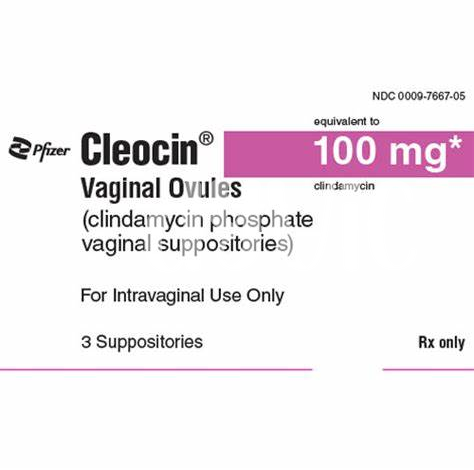
Starting a cleocin regimen can feel hopeful, but early reactions may arrive quickly. Common short-term effects include nausea, upset stomach, diarrhea, and local skin irritation if topical forms are used.
Some people notice yeast infections or changes in bowel habits; seek care if severe abdominal pain or persistent watery diarrhea occurs, as these might signal C. difficile overgrowth.
With prolonged use, risks expand: altered gut flora, increased susceptibility to fungal infections, and rare liver enzyme changes. Long-term antibiotic use may also reduce effectiveness over time.
Discuss duration with your clinician, report new or worsening symptoms, and consider alternative acne strategies if side effects outweigh benefits. Periodic monitoring can help catch problems early and guide treatment.
Resistance Risk and Antibiotic Stewardship Considerations
Using cleocin for acne can feel like bringing a secret weapon to a stubborn battle; yet bacteria adapt. Thoughtful use shortens flare-ups and preserves future options. Minimize duration, avoid monotherapy when possible, and combine with topical agents to reduce selection pressure. Consult clinicians for tailored plans.
Stewardship means tracking response, stopping ineffective courses, and avoiding routine long-term antibiotics for mild acne. Education and clear exit strategies help limit resistance while preserving the usefulness of cleocin and other antimicrobials for severe infections and reporting treatment failures to clinicians or registries promptly.
| Action | Why |
|---|---|
| Limit duration | Reduce resistance selection |
| Combine therapies | Improve efficacy, lower antibiotic reliance |
When to See a Doctor or Switch Treatments
If your acne fails to improve after eight to twelve weeks of treatment, or if lesions worsen or scar, contact your clinician. Persistent inflammation often needs a different strategy or combination therapy.
Seek immediate care for severe side effects such as high fever, breathing difficulty, or a widespread rash; these may indicate an allergic reaction or serious complication. Also report new gastrointestinal symptoms during oral therapy.
Discuss switching if resistance is suspected, pregnancy occurs, or better options like topical retinoids, hormonal therapy, or isotretinoin suit your goals and safety profile.