


Complete Dental Care
 Atarax Vs Benzodiazepines: Safety and Effectiveness
How Atarax and Benzodiazepines Work Differently
Imagine two paths to calm: one blocks histamine and soothes input, the other amplifies GABA signals that dampen brain activity. Both can quiet anxiety, but starting points differ.
An antihistamine like hydroxyzine acts peripherally and centrally to reduce itch and produce sedation; benzodiazepines bind GABA-A sites, increasing inhibitory currents and producing stronger muscle relaxation and anxiolysis.
Clinically, that means quicker itch relief from the antihistamine with milder cognitive impact, while benzodiazepines offer potent rapid anxiolysis but carry sedation, coordination impairment, and different safety considerations.
| Mechanism | Target |
|---|---|
| Atarax | Histamine |
| BZD | GABA |
Comparing Speed of Relief and Duration Effects
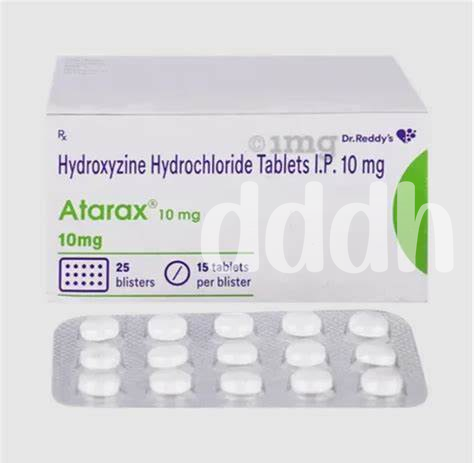
When rapid calming is needed, benzodiazepines usually win: taken orally they often produce noticeable anxiolysis or sedation within 15–60 minutes, and IV forms act within minutes. Hydroxyzine (atarax) reduces anxiety and causes drowsiness, but its calming effect typically appears slightly later and is less potent for acute panic.
Duration differs: short-acting benzodiazepines give brief relief useful for insomnia, while long-acting agents maintain effect through the day but carry accumulation and daytime impairment risks. Atarax’s sedative and antipruritic effects commonly persist for several hours without the pronounced hangover some long-acting benzodiazepines produce, so clinicians choose based on whether immediate rescue, sustained anxiolysis, sleep maintenance, or pruritus control is the primary goal, tailored to each individual patient.
Efficacy for Anxiety, Insomnia, and Pruritus
In clinical practice, choosing between atarax and benzodiazepines often hinges on the anxiety profile. For acute panic or severe generalized anxiety, benzodiazepines act rapidly and reliably, whereas atarax may help mild-to-moderate anxiety with fewer cognitive effects.
When sleep is the primary complaint, benzodiazepines provide stronger hypnotic effects but carry next-day sedation and tolerance risks. Atarax can promote initial sleep through antihistaminic sedation, useful for transient insomnia or when benzodiazepines are contraindicated.
For itch and allergic-related discomfort, atarax shines as a first-line symptomatic option, reducing pruritus without anxiolytic dependence issues. Benzodiazepines generally lack antipruritic properties and are not recommended for this indication.
Decisions should balance benefit versus risk, favoring short courses and nonpharmacologic measures when possible.
Side Effects, Safety Risks, and Tolerability Profiles
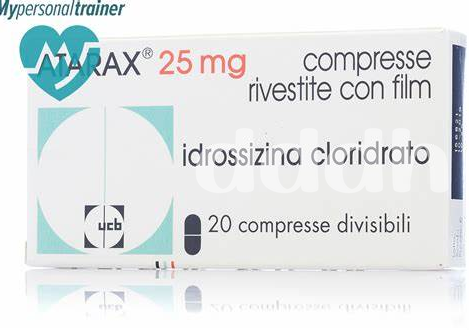
Clinicians weigh common adverse reactions and safety when choosing between antihistamines like atarax and benzodiazepines. Antihistamines often produce sedation, dry mouth, and blurred vision, while benzodiazepines more commonly cause drowsiness, impaired coordination and cognitive slowing.
Cardiovascular and respiratory compromise are rare with first generation antihistamines but can be significant in overdose; benzodiazepines carry a higher risk of respiratory depression when combined with opioids or alcohol. Elderly patients are particularly vulnerable to falls and confusion with both classes, prompting dose adjustments or alternative therapies.
Tolerance to sedative effects develops differently: antihistamine tolerance may appear quickly, whereas benzodiazepine tolerance affects anxiolysis and sleep, complicating long term use. Monitoring, patient education, and selection reduce harm. Periodic reassessment of benefits versus risks and caution with polypharmacy preserve function and quality of life. Shared decision making supports safer outcomes. Documented plans ease discontinuation when needed.
Dependence Potential, Withdrawal and Long-term Use
Patients often notice different patterns of tolerance and craving: atarax’s antihistamine profile seldom produces the reinforcing rewards seen with many sedatives, so dependence tends to be less intense and less commonly clinically significant.
Withdrawal from sedatives can be abrupt and medically risky; by contrast, stopping atarax usually yields milder rebound symptoms - itching, agitation or insomnia - that resolve without specialized detoxification, though gradual tapering remains prudent for comfort.
For long courses clinicians balance modest symptomatic benefit against cognitive effects, metabolic burden and fall risk; periodic review, functional assessment and attempts at dose reduction often preserve gains while minimizing harm and documented patient preference.
| Atarax | Lower risk |
Practical Prescribing Tips, Interactions, and Patient Selection
Consider patient context: hydroxyzine suits short-term management when sedation and antihistamine effects help, and avoids benzodiazepine dependence risks; benzodiazepines may be preferred for severe acute anxiety or alcohol withdrawal. Elderly patients, pregnant or breastfeeding women, and those with respiratory disease require special caution. Discuss goals, pregnancy risks and driving safety; involve caregivers when cognition or adherence is a concern.
Start low and go slow, document indication and duration, and reassess frequently. Watch additive CNS depression with opioids, alcohol, antihistamines and other sedatives; benzodiazepines interact with CYP3A4 inhibitors. Anticholinergic load with hydroxyzine can worsen glaucoma, urinary retention and cognitive impairment.
Set clear treatment goals, plan short courses, and arrange follow-up for efficacy and side effects. For long-term needs prioritize nonpharmacologic therapies and specialist referral; when stopping, taper gradually to reduce withdrawal risk. Document informed consent and provide written tapering plans regularly.