


Complete Dental Care
 Ampicillin Vs Amoxicillin: Differences and Clinical Choices
Quick Comparison of Chemical Structure and Mechanism
Two cousins in the aminopenicillin family share a core beta-lactam–thiazolidine scaffold that interrupts bacterial cell-wall synthesis by acylating penicillin-binding proteins, causing osmotic instability and bactericidal action. Their mechanism is essentially identical, targeting peptidoglycan cross-linking in dividing bacteria.
Chemically they differ in the amino side chain: amoxicillin carries an extra para-hydroxyl on the aromatic ring, enhancing oral absorption and acid stability compared with ampicillin. This small polarity change subtly alters pharmacokinetics without changing the beta-lactam core’s antibacterial target.
Clinically that means amoxicillin is often favored for oral therapy due to better absorption and dosing flexibility, while ampicillin remains valuable intravenously or when formulations are required. Both remain vulnerable to beta-lactamases, so context and susceptibility guide choice.
| Compound | Key difference |
|---|---|
| Ampicillin | Less acid-stable; common IV/oral use |
| Amoxicillin | Para-hydroxyl group; improved oral absorption |
Differences in Absorption, Half-life, and Dosing

Clinically, ampicillin's oral bioavailability is lower than amoxicillin's, so practitioners often favor the latter for reliable systemic levels after uncomplicated oral dosing.
Half-life varies modestly, with both usually short; dosing frequency often depends on infection severity and renal function, which prolongs clearance, especially in elderly.
Ampicillin may require parenteral administration for severe infections, whereas amoxicillin's oral dosing achieves therapeutic levels; both need renal dose adjustment to avoid accumulation.
Practical choice hinges on adherence, absorption reliability, and infection site; twice-daily regimens favor compliance, but severity may mandate more frequent dosing options.
Spectrum of Activity and Common Clinical Uses
Clinicians often think of aminopenicillins as reliable workhorses; ampicillin remains valued for activity against many streptococci, enterococci and Listeria monocytogenes, plus some susceptible Haemophilus and Enterobacterales. Its bactericidal beta‑lactam action disrupts cell wall synthesis, making it a go-to in settings where narrow-spectrum coverage of these organisms is desirable. Dosing and route vary by infection severity and patient factors.
In practice, ampicillin is frequently employed intravenously for neonatal sepsis and meningitis, community-acquired infections caused by susceptible isolates, and enterococcal endocarditis as part of combination therapy. Oral aminopenicillins commonly treat uncomplicated otitis media, sinusitis, and urinary infections when local susceptibility supports use; choices should be guided by culture data and allergy history and antimicrobial stewardship principles always.
Adverse Effects, Allergy Risks, and Monitoring Needs
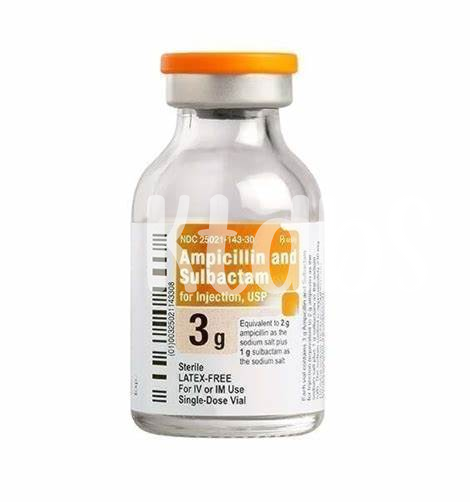
Patients often experience gastrointestinal upset, diarrhea, and rash with penicillin-class drugs; intravenous ampicillin can also cause infusion reactions or local phlebitis. Rarely, immune-mediated hemolytic anemia, neutropenia, or Clostridioides difficile colitis occur, so clinicians should watch new fevers, bloody diarrhea, or unexpected pallor and immediate evaluation.
True IgE-mediated penicillin allergy is uncommon; many reported reactions are nonallergic or historical, so allergy testing or graded challenge can clarify risk. For prolonged therapy, monitor renal function, liver enzymes, and blood counts. Counsel patients about rash, breathing difficulty, and when to seek urgent care.
Resistance Trends, Stewardship, and Local Susceptibility Data
Clinicians now watch local antibiograms like weather reports, because shifting susceptibility patterns change empiric choices. Increasing E. coli and Klebsiella resistance has eroded the empiric footprint of traditional aminopenicillins, and even community isolates show rising beta‑lactamase prevalence. That reality nudges prescribers toward targeted therapy and prompts infection teams to promote narrow‑spectrum use when lab data allow.
Ampicillin remains useful for enterococcal and Listeria infections when susceptibility is documented, so rapid diagnostics and routine reporting matter. Stewardship programs should emphasize timely culture collection, review of local data, and de‑escalation pathways; clinicians consulting antibiograms and microbiology can balance efficacy with resistance prevention, tailoring choices to patient risks, allergy history, and community susceptibility trends and dosing optimization efforts, too.
| Action | Why it matters |
|---|---|
| Check local antibiogram | Guides empiric therapy |
| Document susceptibility for ampicillin | Enables narrow-spectrum use |
Practical Prescribing Decisions and Patient-centered Choice
In clinic, choosing between ampicillin and amoxicillin often begins with patient context: age, renal function, allergy history, and ability to absorb oral meds. Practically, amoxicillin’s superior oral bioavailability favors outpatient therapy and adherence, while intravenous ampicillin remains valuable for hospitalized patients or when enteric absorption is uncertain.
Dose adjustments for renal impairment, drug interactions, and pregnancy status guide selection; for serious infections consider microbiology, local susceptibility, and whether beta-lactamase inhibitors are needed. Communicate expected benefits, dosing schedule, and potential side effects so patients can participate in the decision.
Shared decision-making reduces nonadherence and improves outcomes: tailor the regimen to lifestyle, route feasibility, and resistance patterns, plan follow-up to reassess response and modify therapy if needed.