


Complete Dental Care
 Amoxicillin and Gut Health: Microbiome Effects Explained
How Amoxicillin Targets Bacteria and Affects Microbiome
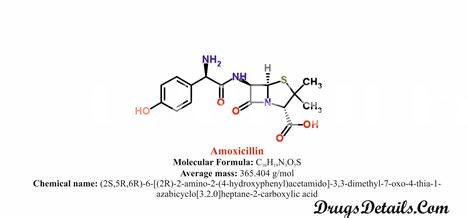
Imagine a microscopic battle where amoxicillin seeks out bacterial cell walls, weakening their defenses and causing them to burst. While targeting pathogens, this action also trims beneficial species, shifting the gut’s ecological balance.
Consequently, richness and evenness fall rapidly: susceptible commensals decline, opportunists can expand, and metabolic outputs alter. Recovery depends on dose, duration, host factors and microbial resilience; some taxa rebound within weeks, others may remain depleted for months, leaving a new community structure that influences digestion, immunity and drug metabolism and may alter vaccine responses in susceptible individuals.
| Mechanism | Typical effect |
|---|---|
| Cell wall synthesis inhibition | Loss of susceptible commensals |
| Broad-spectrum activity | Reduced diversity and transient imbalance |
Immediate Microbiome Disruptions: Diversity Loss and Imbalance
When amoxicillin is taken, it acts quickly on fast-growing bacteria, and commensal species can be collateral damage. The gut ecosystem, a delicate community, suddenly loses key members, reducing richness and functional redundancy and metabolic capacity.
Within days, dominant responsive taxa bloom while sensitive strains decline, shifting relative abundances. This imbalance can allow opportunists to expand, altering metabolic outputs like short-chain fatty acids and bile acid transformations important for host health.
Clinically, patients may notice loose stools or mild discomfort as microbial functions shift. Even without symptoms, barrier integrity and immune signaling can be affected, creating a window where pathogens exploit weakened ecological defenses over time.
Recovery trajectories vary; some communities rebound within weeks, while others show persistent shifts. Factors like dose, duration, prior microbiome resilience, and concurrent medications determine how fully ecological balance and microbial diversity return to baseline levels.
Short-term Symptoms and Risks: Diarrhea to C. Difficile
When a person begins a course of amoxicillin, the gut can react quickly: beneficial bacteria are suppressed and ecological niches open for opportunists. This disruption often feels mundane — bloating, transient discomfort — yet it signals a deeper loss of microbial balance that sets the stage for pronounced symptoms.
Within days many people experience loose stools, cramping and urgency as lost microbes fail to regulate water and fermentation. Mild dysbiosis may resolve, but disruption increases vulnerability to pathogens; overgrowth of opportunists, including C. difficile, can produce severe, sometimes life-threatening colitis requiring prompt care.
If watery diarrhea, fever, or bloody stools emerge, seek medical advice; do not stop amoxicillin without guidance because stopping can complicate infections. Clinicians can order stool testing and provide targeted treatment such as oral vancomycin or fidaxomicin when C. difficile is confirmed, alongside supportive hydration and monitoring.
Long-term Consequences: Resilience, Recovery, and Persistent Shifts

Years after a course of amoxicillin, many people describe the gut as recovering like a forest after a fire: some species return quickly, others are gone or rare. Microbial diversity often rebounds partially, but composition can remain altered for months to years.
Reduced resilience means the ecosystem is more susceptible to stressors such as dietary change, infection, or additional antibiotics; metabolic functions and short chain fatty acid production may shift, influencing immunity and digestion. Some opportunistic bacteria may fill niches left vacant, changing inflammation setpoints.
Active monitoring, targeted nutrition, and cautious repeat antibiotic use support recovery; research suggests repeated or early life exposures increase likelihood of persistent shifts, so personalized follow up matters with oversight.
Mitigation Strategies: Probiotics, Diet, and Timing Considerations
After a course of amoxicillin, many people wonder how to protect their gut. Starting a probiotic can help, but timing matters: take probiotics two to three hours after each antibiotic dose to reduce direct killing. Choose strains with evidence (Lactobacillus rhamnosus GG, Saccharomyces boulardii) and continue for several weeks.
Feed recovery with real foods: fiber, resistant starch, and fermented items like yogurt or kefir support microbial diversity. Add onions, garlic, oats, bananas and cooled rice or potatoes for prebiotic benefit. Hydration and avoiding excess sugar help reduce dysbiosis and diarrhea severity while communities repopulate.
Discuss duration with your clinician; in some cases short antibiotic courses and targeted use minimize harm. Consider stool testing or symptom tracking if problems persist. Practical timing, evidence-based probiotic choice, and dietary support together speed recovery and reduce the chance of long-term microbiome shifts significant risk.
Clinical Guidance: Antibiotic Stewardship and Personalised Monitoring
Clinicians should prescribe antibiotics judiciously, choosing narrow-spectrum agents and the shortest effective course. This stewardship mindset reduces collateral microbiome damage while targeting pathogens, guided by diagnostics, local resistance patterns, and therapeutic goals and follow up.
Personalised monitoring includes baseline history, recent antibiotic exposure, and risk factors like age, immunosuppression, or IBD. Follow-up should assess symptoms, stool frequency, and consider targeted testing for C. difficile or microbiome profiling when clinically justified.
When possible, choose alternatives or adjusted dosing for high-risk patients and consult infectious disease specialists for recurrent or complex infections. Document antibiotic indications, duration, and expected effects to enable personalised care and future decision-making too.
Educate patients about risks, signs of complications, and importance of completing or stopping treatment as advised. Encourage diet choices that support recovery and prompt reporting of persistent symptoms to permit timely interventions and microbiome-preserving strategies.